

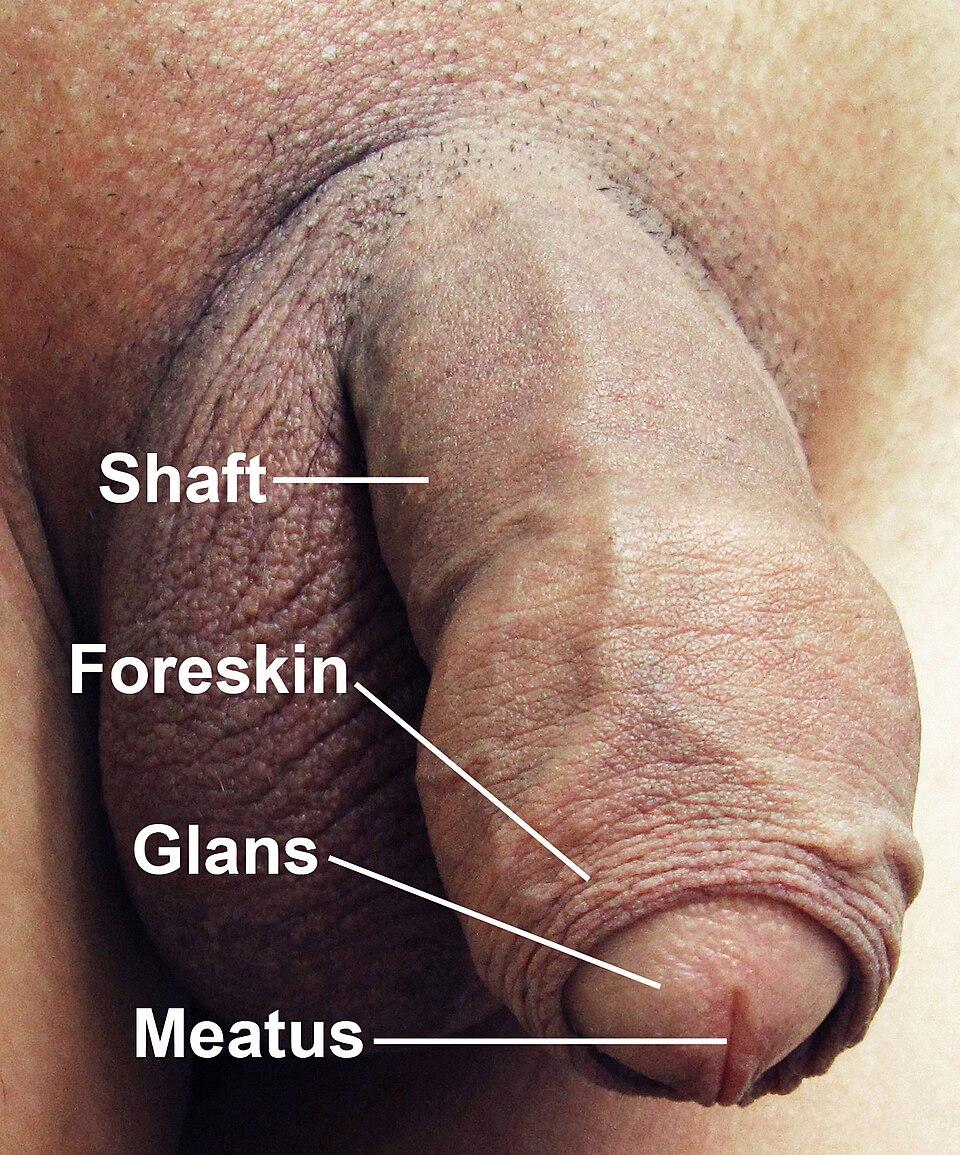
External Male Anatomy
The external male genitalia consist primarily of the penis and the scrotum.
Penis
The penis provides a passageway for both sperm and urine.
It is made up of:
- Nerves
- Blood vessels
- Fibrous tissue
- Three cylindrical bodies of spongy tissue
The major parts of the penis include:
- Shaft
- Glans (tip of the penis)
- Root
- Corpora cavernosa (cavernous bodies)
- Corpus spongiosum (spongy body)
During sexual arousal, the spongy tissues fill with blood, causing the penis to become erect.
Internal Structure
The penis contains three cylindrical structures:
- Two corpora cavernosa — located side by side in the upper portion of the shaft
- One corpus spongiosum — located underneath and surrounding the urethra
The corpus spongiosum expands at the end to form the glans penis.
Corona and Urethra
The raised border between the shaft and the glans is called the corona.
The urethra connects the urinary bladder to the penis and allows:
- Urine to leave the body
- Semen and sperm to exit during ejaculation
Root and Muscles
The root of the penis contains expanded portions of erectile tissue that attach to the pelvic bones.
Important muscles associated with the penis include:
- Bulbospongiosus muscle
- Ischiocavernosus muscles
These muscles assist in:
- Urination
- Ejaculation
- Maintaining erection
Foreskin
The penis usually has a fold of skin called the foreskin, which covers the glans.
In some individuals, the foreskin may be removed through circumcision for medical, cultural, or religious reasons.
Scrotum and Testicles
The scrotum is a skin-covered sac that holds the testicles outside the body.
One reason for this external placement is to maintain a temperature slightly lower than normal body temperature, which helps sperm production.
Additional Facts
The penis contains very little muscular tissue, mainly located near its root.
Unlike many other primates, human males do not possess a penile bone.